Sell Fries Anomaly How to Play: Kitchen, Nights and Escape
How to Play
- Turn collected potatoes into fries and customer sales.
- Use cash to improve the kitchen while responding to night anomalies.
- Find the key during the run and use the locked basement route to escape.
Follow the cooking and selling loop
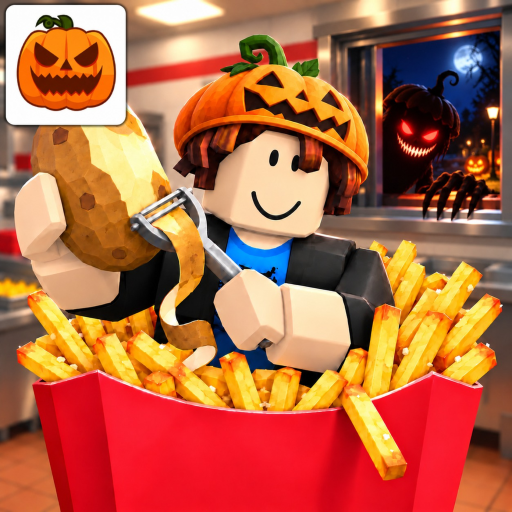
Sell Fries Anomaly combines a small restaurant job with survival. Collect potatoes, remove their skin, cook them in the fryer and serve the fries at the window. Customer sales give the cash used for tools and kitchen improvements. Larger servings can earn more, and special golden or crystal potatoes have greater value than ordinary potatoes.
Keep the material stages distinct. A potato arriving at the kitchen has not been peeled; a peeled potato has not yet been fried; cooked fries still need a paying customer. This distinction explains many apparent stalls without assuming that the run is broken.
Use automation without abandoning the kitchen
Conveyor movement, Robot Helpers, automatic peeling and automatic frying reduce different manual jobs. Build around the step you want to hand over. A robot collecting outside does not replace a fryer, and the Window Fries Shooter is a defensive device that needs fries rather than an automatic cashier.
Night can interrupt both movement and production. Match a response to its cue: the window anomaly, a stalker outside, a giant targeting you and a stopped possessed robot are different situations. Stay aware of the serving window and outdoor route even after purchasing machines.
Work toward escape and longer-term class choices
The escape route involves finding a key associated with the potato piles, taking it to the padlocked basement door or hatch and entering the opened route. Keep cooking and searching as the run develops instead of waiting for a promised day or a guessed percentage of potatoes. Escaping also connects to earning Gems for lobby class rolls.
Choose the Sell Fries Anomaly beginner guide for immediate first-shift actions, or the key guide once you understand the kitchen. Learning the whole loop helps you decide whether the next problem is production, survival or finishing the run.